What is a Credit Card Limit & How Does It Work?
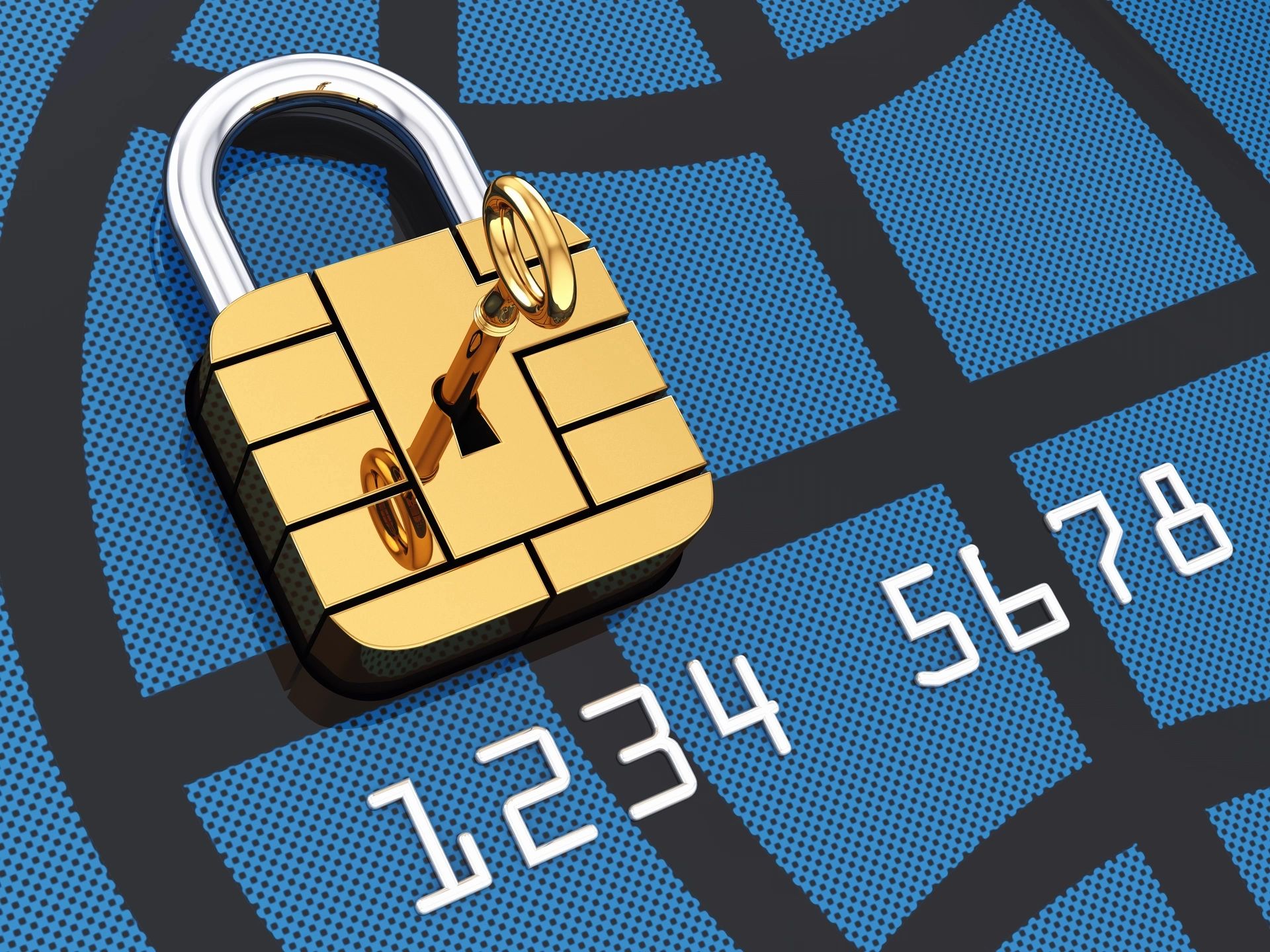
Your credit card spending limit might seem like just another number on your account — an upper boundary to stay under. But in truth, that number holds far more power over your finances than many realize. From shaping your purchasing behavior to influencing your credit score and future borrowing opportunities, your credit limit plays a pivotal role in your overall financial health.
What Determines Your Credit Card Limit?
Your credit card spending limit is the maximum amount you’re allowed to charge on your card at any given time. This includes purchases, balance transfers, and sometimes cash advances. It’s set by your issuer when you’re approved for the card, and it’s based on your creditworthiness — including your income, credit history, existing debts, and even how much total credit you already have with that issuer.
Now, credit limits vary dramatically. Some entry-level cards may offer as little as $300, while premium travel or business cards can cost well over $20,000. Experian reports that the average credit limit in the U.S. is around $29,855 — but averages can be misleading, depending on the type of card and the cardholder’s profile. To find your own limit, check your online account or app, or contact your issuer directly. Your “available credit” — how much of that limit remains unused — fluctuates in real-time based on your balance.
Raising the Bar: How to Increase Your Limit
So, how do you get a higher credit limit? There are two main paths: you can request one (which may trigger a credit inquiry), or you can wait for your issuer to grant an automatic increase based on positive account activity. Keeping your income information updated and making on-time payments are key to boosting your odds either way.
Now here’s where it gets even more strategic: your credit limit directly influences your credit utilization ratio. A lower utilization ratio is much better for your credit score, and staying under 30%, or ideally under 10%, can make a noticeable difference. For instance, if your limit is $5,000, keeping your balance below $1,500 will help maintain strong credit health. And the higher your credit limit, the more breathing room you have to spend without impacting that ratio.
No Limits? Not Quite
Some cards, especially from American Express, have no preset spending limit at all — though this doesn’t mean unlimited buying power. These cards utilize adaptive algorithms based on your payment history and spending behavior to determine the amount you can charge. They’re typically aimed at those with excellent credit or variable high-ticket expenses, such as business owners or frequent travelers.
What if you go over your limit? Well, in most cases, you won’t. Thanks to the CARD Act of 2009, over-limit transactions are typically declined unless you explicitly opt in to allow them. Even if they do go through, they can come with fees or affect your credit score by maxing out your utilization. If you find yourself consistently bumping against your limit, that’s a sign to either rein in spending or look into increasing your credit line — not to mention reevaluate your budget.
In short, your credit card spending limit isn’t just a boundary — it’s a lever that can influence your financial flexibility, your credit score, and even your long-term borrowing power. Understand it. Use it wisely. And if you can, grow it.