Ford Announce Urgent Recall of Best-Selling Car
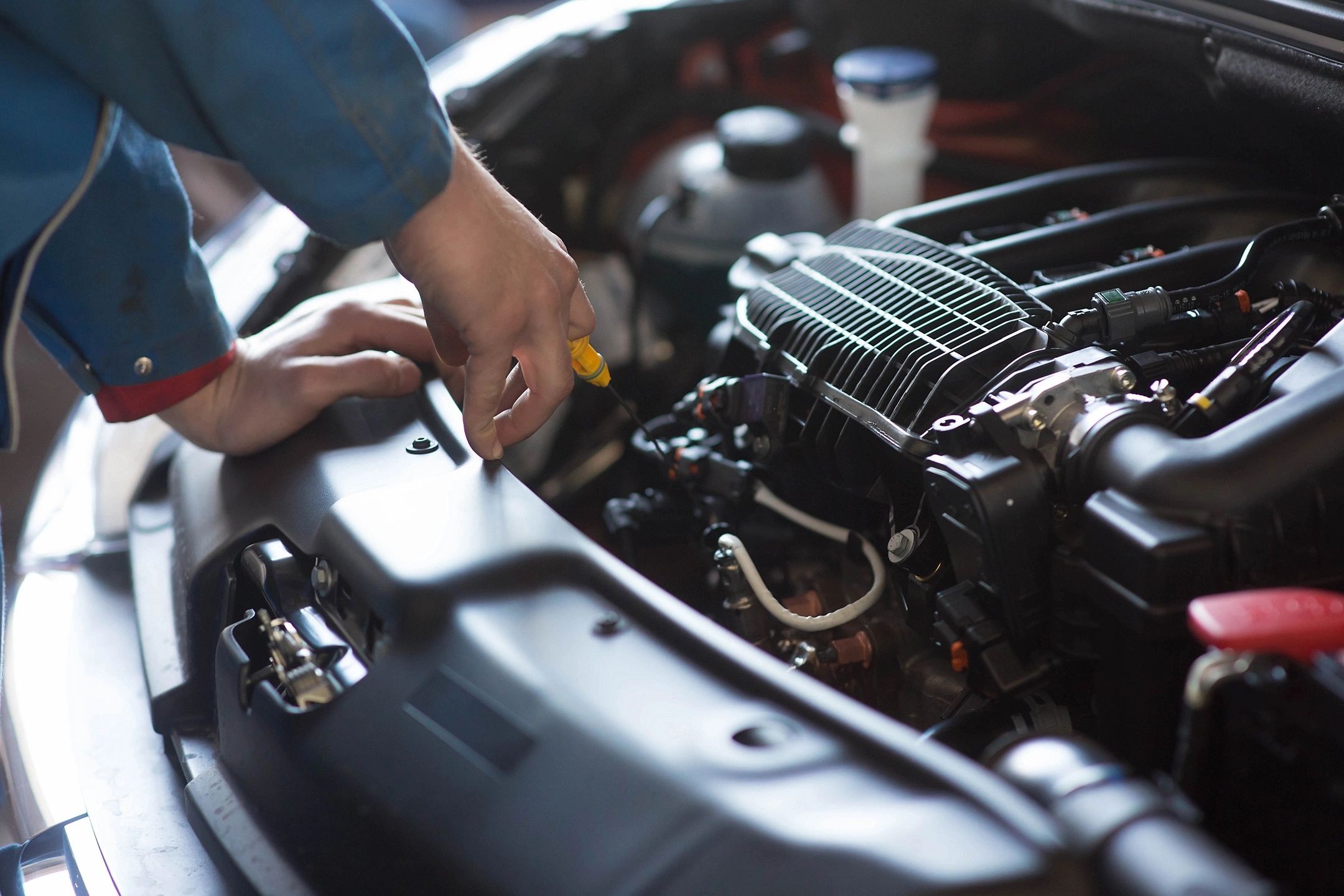
Ford, the crown jewel of American automotive heritage and the perennial king of the pickup world, is once again under the spotlight—this time for all the wrong reasons. In a year that’s becoming infamous for technical setbacks, the company has just announced a sweeping recall of 355,000 trucks due to a glitch in the instrument panel cluster. The malfunction affects some of Ford’s most iconic models: the 2025 F-150 and heavy-duty versions of the F-250 through F-550 from model years 2025 and 2026.
The issue? The instrument cluster—the digital screen behind the wheel—can go completely blank upon startup. For around 100 drivers, the screen meant to display essentials like speed, fuel, and directions simply vanished into digital oblivion after running a flashy animation. No speed. No data. Just silence where there should be vital information. The NHTSA confirms no crashes have been reported, but that’s hardly the silver lining Ford hoped for.
Most Recalls in a Single Year — Ever
At the heart of this story is a grim milestone: 105 recalls in 2025 alone—a record-breaking number with three months still left in the year. To put it into perspective, that’s more than Chrysler, GM, Volkswagen, Mercedes-Benz, and Honda combined. And this isn’t a fluke. Ford has led the nation in recalls in three of the last four years.
This latest wave underscores a bigger pattern: the company is in the throes of a quality control crisis. From electrical faults to accessory battery problems, from loose connections to seatbelt failures, no system seems immune. Ford’s own leadership knows it. In 2024, CEO Jim Farley admitted that the company hemorrhages nearly $5 billion annually in recall costs. His answer? A bold “build and hold” model, where finished vehicles are parked in vast holding lots to undergo additional inspections before shipment—a strategy that’s helped avoid 12 potential recalls but eaten into short-term profits.
Tech Fixes Meet Manufacturing Flaws
There’s a paradox at play. On one hand, Ford is pushing technological frontiers, deploying over-the-air updates and AI-powered part screening systems. On the other hand, the very same technology is implicated in a growing list of software glitches and manufacturing oversights. The promise of convenience is undermined by the reality of complexity.
Ford says that about half of its recalls can now be resolved without requiring customers to visit a dealership—an evolution made possible by its digital update infrastructure. But when the core systems in vehicles are prone to failure straight off the lot, remote patches may not be enough to retain consumer trust.
Assembly Lines Under Pressure
And yet, in the midst of these headwinds, Ford continues to assemble over three-quarters of its vehicles on U.S. soil—a commitment to domestic production that has long been a source of pride. But some mechanics question whether that pride is being matched with paychecks and investment where it counts: on the assembly line.
As Ford’s recall saga barrels toward another quarter, the question looms: Can America’s most iconic automaker fix itself before its reputation stalls?