Gas Prices Set To Spike After U.S Strikes Iran
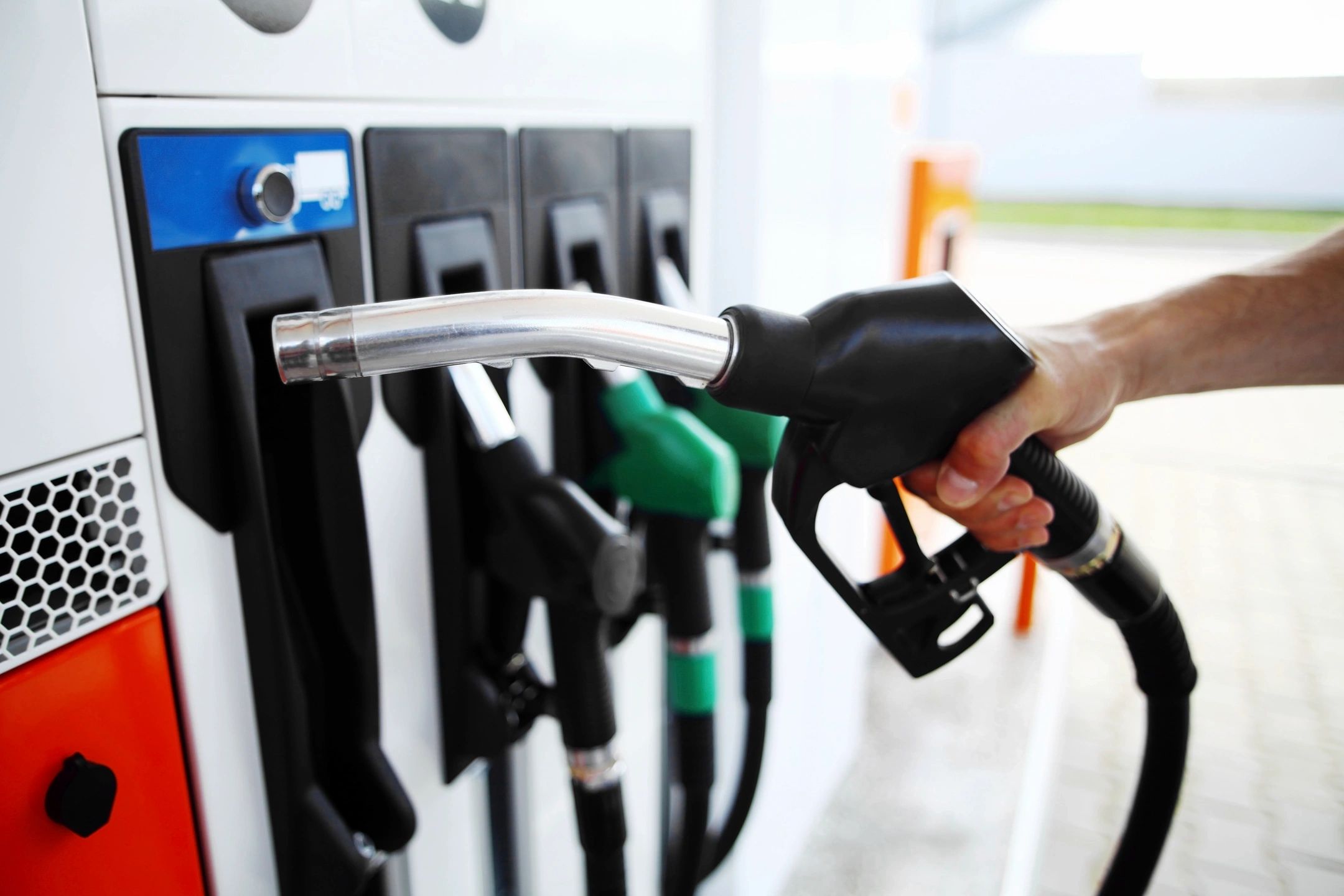
Gas prices in the United States are expected to rise again, this time by another five cents per gallon, following President Donald Trump’s targeted military strikes on Iranian nuclear facilities over the weekend. The move, described as Operation Midnight Hammer, adds to mounting tensions in the Middle East and further disrupts global energy markets.
Gas Prices React to Escalating Conflict
The national average gas price already saw a five-cent increase to $3.22 per gallon after Israel’s earlier strikes on Iran’s nuclear infrastructure. According to Andy Lipow of Lipow Oil Associates, consumers should prepare for a further climb, with prices likely to reach $3.27 per gallon in the coming days. Lipow explained that shifts in oil futures markets typically take one to two weeks to reach consumers at the pump. “Retaliatory attacks could impact gas prices further,” he added, signaling that ongoing instability may prolong upward price pressure.
GasBuddy analyst Patrick De Haan projected even higher increases, estimating a possible rise to $3.50 per gallon. He noted that diesel prices have already surged by 17 cents in just one week—marking the steepest increase since August 2023.
U.S. Strike Deepens Middle East Unrest
Saturday night’s military operation marked a significant escalation. Over 125 American aircraft and submarine forces were sent to strike Iranian nuclear sites in Fordo, Natanz, and Isfahan. The strikes were initiated in response to heightened hostilities between Israel and Iran and signals a more direct U.S. military involvement.
Iran’s reaction was swift. The regime launched additional missile attacks on Tel Aviv and pledged further retaliation. Houthi allies in Yemen also committed to the fight, expanding the regional footprint of the conflict. Already, Iran reports over 400 deaths from Israeli airstrikes, while missile attacks on Israel have resulted in at least 24 fatalities.
Strait of Hormuz Closure Threat Looms
Beyond the immediate military actions, broader economic risks are emerging. Iran’s parliament voted in favor of closing the Strait of Hormuz—a strategic waterway responsible for the transit of approximately 20% of global oil exports. While the closure has not yet been enacted, the possibility alone has raised alarms. Any disruption to this chokepoint would send oil prices sharply higher, amplifying inflationary pressures worldwide.
The original flashpoint came ten days earlier when Israeli Prime Minister Benjamin Netanyahu launched Operation Rising Lion against Iranian nuclear assets. Netanyahu cited the urgent need to prevent Iran from achieving nuclear weapons capability. Iran’s leaders condemned the strikes as a declaration of war, with Supreme Leader Ayatollah Ali Khamenei warning Israel to expect “severe punishment.”
With the situation evolving rapidly and the threat of broader war growing, American fuel consumers are bracing for continued volatility. The coming weeks will be critical in determining whether energy markets stabilize—or spiral further into crisis.