Dollar Collapses to Lowest Since 2021 Against Pound and Euro
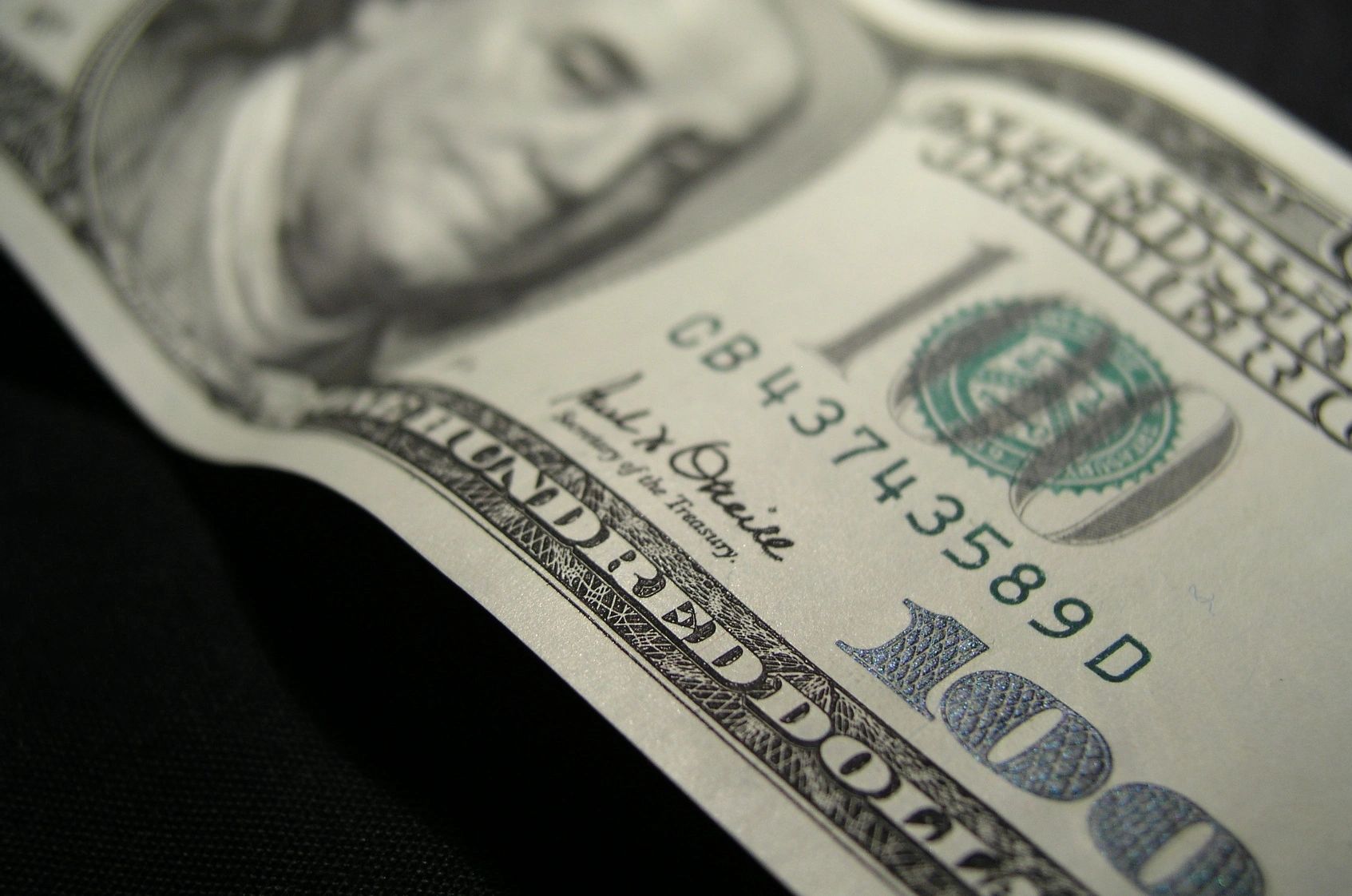
The U.S. dollar fell sharply, marking its lowest levels in over three years against both the euro and sterling, amid growing market conviction that the Federal Reserve will cut interest rates sooner and more aggressively than previously anticipated.
The euro climbed 0.51% to $1.1719, reaching as high as $1.1744—the strongest since September 2021—while sterling advanced 0.62% to $1.3748, touching $1.3770, its highest level since October 2021. The dollar also weakened 0.72% against the yen to 144.2 and dropped to a 10.5-year low against the Swiss franc at 0.799.
Dollar Repricing Accelerates on Powell’s Remarks
Driving the selloff is a recalibration of expectations following dovish comments from Federal Reserve Chair Jerome Powell during Congressional testimony earlier in the week. Powell acknowledged that inflation may rise over the summer but suggested that rate cuts could come “sooner than later” if price pressures remain contained. His tone led markets to reassess the likelihood of a rate cut as early as July.
Market-based probabilities for a July rate cut jumped from 13% to 23% in a week, while the odds of a September cut rose to 93%, according to CME Group’s FedWatch Tool. Traders are now pricing in 66 basis points of easing by year-end, suggesting a third rate cut is increasingly likely.
Political Transition Raises Concerns Over Fed Credibility
Adding to the uncertainty is the looming change in Fed leadership. President Donald Trump, who has openly criticized Powell, is expected to nominate a more dovish successor when Powell’s term ends in May. Trump has indicated he may announce a replacement as early as September or October. Analysts warn that the early introduction of a potential new Fed Chair could undercut Powell’s authority and send mixed signals to markets, particularly if inflation becomes more persistent.
Chicago Fed President Austan Goolsbee attempted to reassure markets, stating that any nomination would not influence monetary policy until the new chair is confirmed. However, concerns remain that a perceived “shadow chair” could create credibility issues for the current Fed leadership.
Structural Pressures and External Risks Mount
Beyond monetary policy, the dollar remains under pressure from broader macroeconomic concerns. A self-imposed July 9 deadline for resolving trade tensions and the Senate’s push to pass a new tax and spending bill by July 4 are also in focus.
Some analysts believe that fiscal stimulus could temporarily support the dollar if it spurs growth and narrows deficits; however, ongoing budget and current account imbalances continue to weigh on sentiment.
International investors are increasingly reallocating their assets away from the U.S., questioning the sustainability of America’s economic trajectory and currency stability. A decade of U.S. asset outperformance has left many portfolio managers overexposed to the dollar—positions they may now be reconsidering.