Carlsberg Beer Half-Year Profits Miss Mark, Trading Down
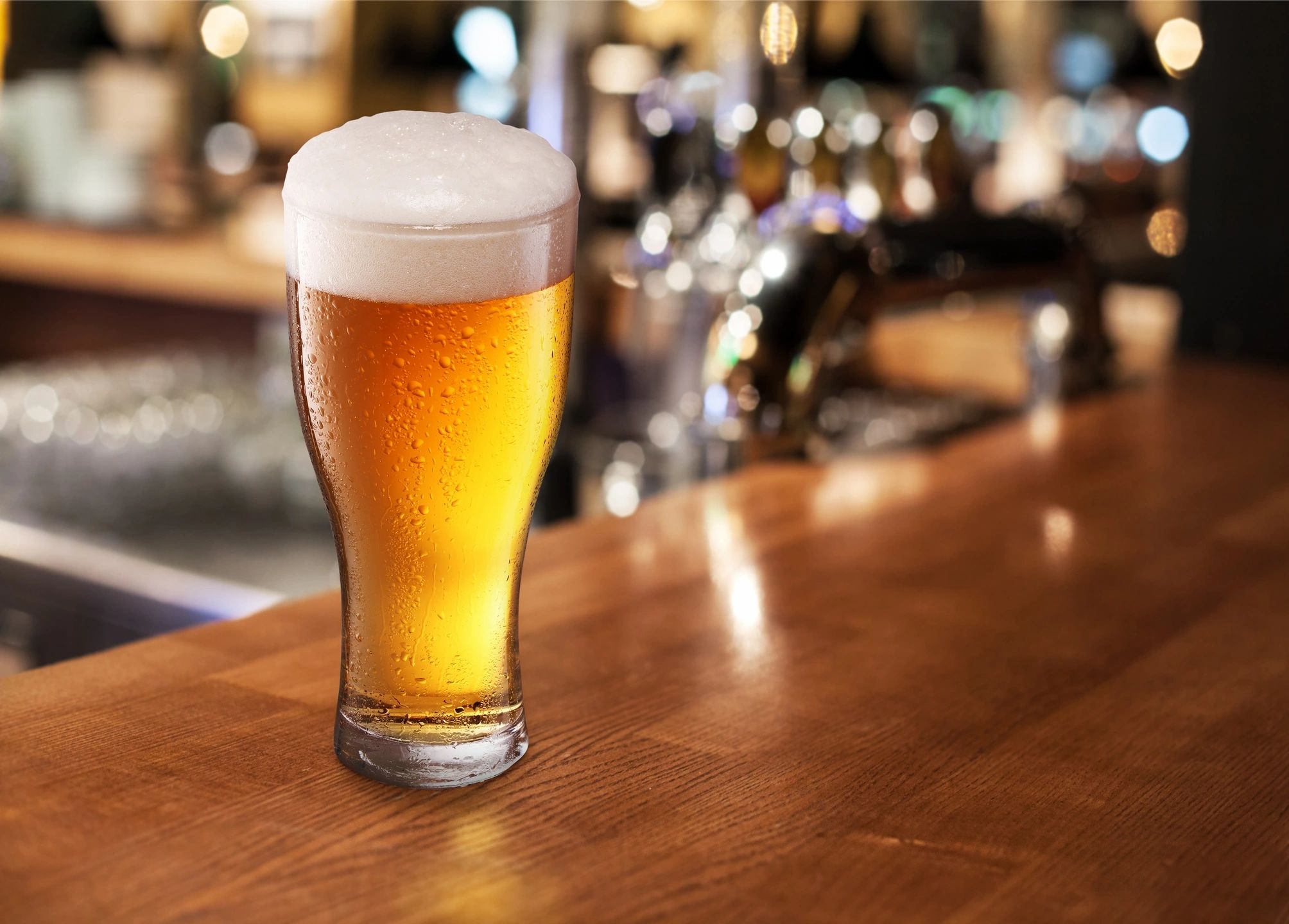
In a telling sign of the times, Carlsberg’s latest half-year report did more than just miss the mark—it punctured whatever lingering optimism investors had for 2025. Shares in the Danish brewing giant dropped nearly 7% in early trading Thursday after it revealed disappointing profit and volume numbers, despite modest tweaks to its annual profit forecast. Traditionally, during tough times, alcohol sales climb; however, that doesn’t seem to be the case here with this beer maker.
Profit Rises, But Volumes Tell a Different Story
For a company that has long thrived on steady expansion and broad brand recognition—think Kronenbourg 1664, Tuborg, and Somersby—Carlsberg’s subdued performance underscores just how turbulent the brewing sector has become. The firm reported a 2.3% increase in operating profit for the first half of the year, alongside a 1.7% decline in volumes, an outcome that starkly contrasted with analyst expectations.
Even with the slight boost in its full-year profit range, CEO Jacob Aarup-Andersen struck a notably cautious tone. “There is no indication as we move into the second half that that’s going to change,” he warned, referring to the sluggish consumer environment marked by inflation, uncertainty, and price fatigue. In essence: don’t expect a turnaround anytime soon.
Investors React Swiftly to a Sober Beer Outlook
Investor reactions were swift and unforgiving. After plunging as much as 6.7%—its steepest fall since July 2024—Carlsberg’s shares ended down 5.8%. That sharp drop wasn’t entirely expected. Jyske Bank’s Haider Anjum remarked on the market’s harsh response given what he saw as a “relatively strong performance.” However, Barclays’ Laurence Whyatt offered a more sobering view, pointing out that markets have shown little tolerance for volume misses, particularly when they stem from key regions such as Asia.
A Sector Grappling with Long-Term Change
More broadly, the brewing sector is navigating an identity crisis of sorts. External shocks—such as U.S. tariffs, unpredictable weather, and economic headwinds—have collided with longer-term trends, including health-conscious consumers cutting back on alcohol. The result is a sobering reassessment of growth expectations across the board.
Carlsberg had promised annual revenue growth of 4% to 6% through 2027, but Aarup-Andersen was quick to qualify that ambition: in a year like 2025, it may not be “fully realistic.” That sentiment—tempered, cautious, and laced with uncertainty—is fast becoming the new normal in an industry once known for its frothy optimism.
The fizz, it seems, is flattening.