Amazon Makes Major Delivery Change, Millions Affected
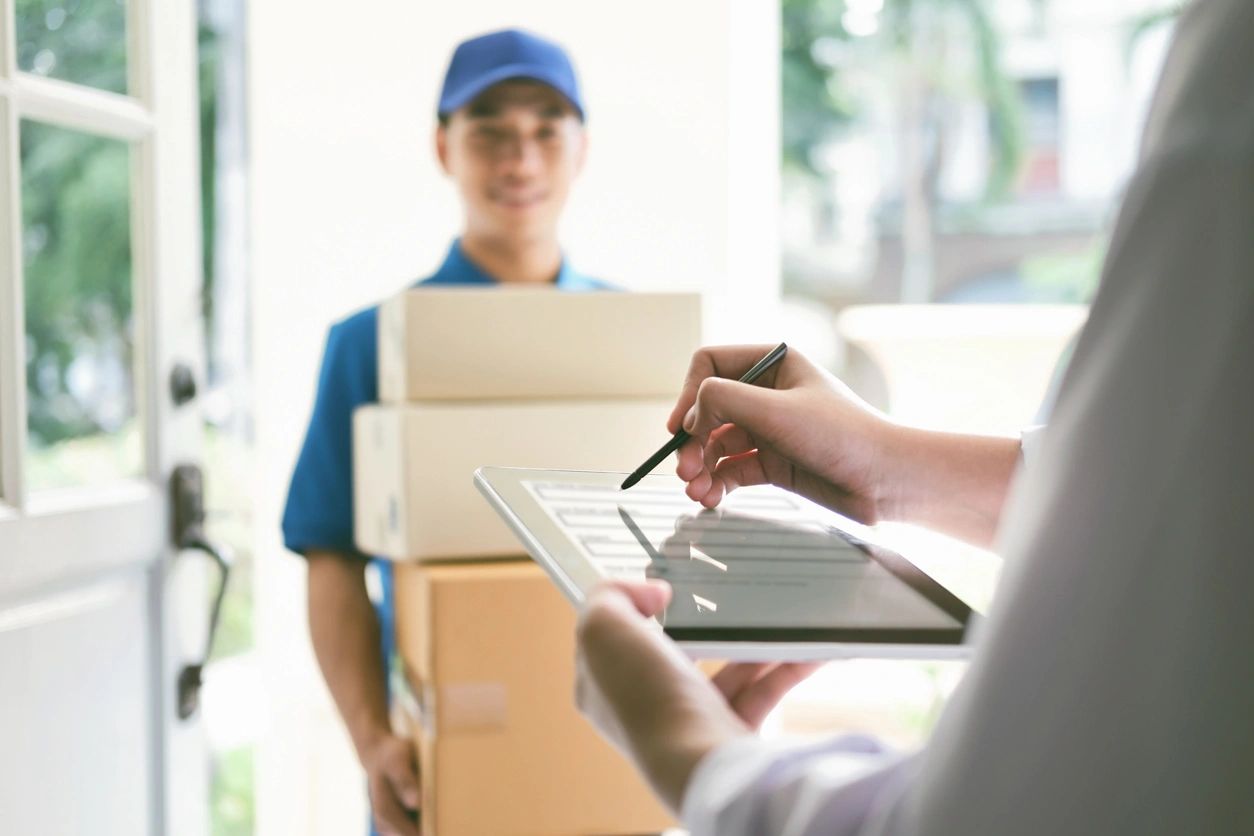
Amazon is no stranger to disrupting entire industries, and now it’s aiming squarely at the American grocery aisle — again. But this time, it’s going all in. In one of its largest expansions to date, Amazon has introduced same-day grocery delivery to over 1,000 U.S. cities and towns, a move that could significantly reshape how millions of people shop for their daily essentials.
From Avocados to AirPods: One Cart, One Delivery, Same Day
From fresh produce to frozen foods, Amazon is bundling convenience with speed in a way that few others can replicate. Prime members who spend at least $25 get free same-day delivery; non-members can still access the service for a $12.99 fee. It’s a model designed to blur the lines between pantry stocking and package tracking — and Amazon is banking on the fact that customers are ready for it.
The integration is seamless by design. Need bananas, batteries, and a bestselling thriller? You can now get them all delivered to your doorstep, in the same cart, within hours. It’s a logistical ballet that CEO Doug Herrington says will “create a quick-and-easy experience for customers.” But it’s also a strategic chess move — aimed at carving out greater dominance in a grocery market that has proven notoriously difficult to crack.
Rural America in the Crosshairs of a $4 Billion Bet
Raleigh, Milwaukee, Tampa, and Columbus are among the first to see the expansion, but Amazon’s ambitions don’t stop there. With plans to bring the service to 2,300 cities and towns by year’s end — and over 4,000 small and rural communities on the horizon — the scale of this rollout is staggering. It’s all tied to a $4 billion investment that seeks to triple the company’s rural delivery network by next year.
Analysts from Telsey Advisory Group say the expansion is a “strong move,” one that deepens customer loyalty and broadens Amazon’s competitive edge against grocery giants like Walmart, Kroger, and Target. While Instacart might feel the squeeze, Walmart still holds an ace: its network of physical stores.
Amazon Delivery Boom Comes With a Side of Backlash
Still, this comes at a time when Amazon is making sweeping changes to its ecosystem. In January, it axed its popular “Try Before You Buy” service, sparking disappointment among loyal customers. Then came quiet price hikes on hundreds of everyday items — all while promising to shield users from inflation. A Wall Street Journal investigation revealed that prices rose on nearly half of 2,500 tracked items — a detail that didn’t go unnoticed.
Add to that the shutdown of Freevee, Amazon’s ad-supported streaming service, and the shifting of its content library to Prime Video, and it’s clear the company is aggressively retooling its services.
Yet, despite the grumbling, Amazon’s Q2 net sales climbed 13 percent to $167.7 billion.
The bet is clear: expand delivery, win groceries, and integrate deeper into the American home. If all goes to plan, 2026 could see Amazon delivering fresh spinach and socket wrenches to even more cities — and potentially redefining how, and where, Americans shop for food.