Powerball Jackpot Grows to Sixth Largest Pot Ever
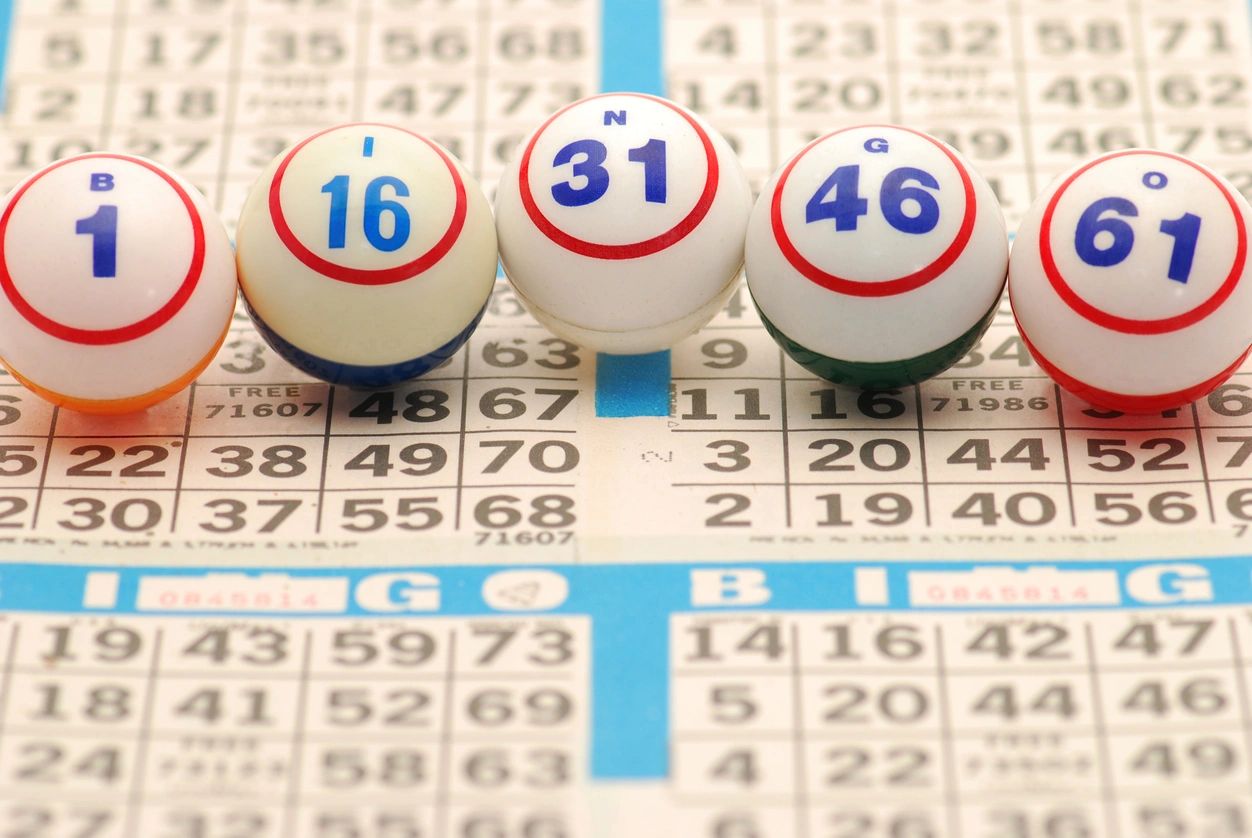
The Powerball jackpot has swelled to a staggering $950 million, positioning it as the sixth-largest prize in the game’s history — a monumental pot of gold that has millions of Americans clutching their tickets and crossing their fingers. But beneath the surface of this billion-dollar dream lies a web of financial nuance, mathematical improbability, and a few intriguing facts that might just make you think twice before spending that extra dollar.
A Jackpot Built on Losing Tickets
The prize pool has snowballed thanks to 33 consecutive drawings without a grand prize winner, a streak that stretches back to May 31, when the last winning ticket was sold in California. With each draw, the excitement intensifies — but the odds remain breathtakingly long at 1 in 292.2 million. The unclaimed jackpots continue to swell, drawing in new players and perpetuating a cycle of dreams deferred.
What You Really Take Home
Here’s where reality steps in: that $950 million figure isn’t sitting in a vault, waiting for a winner. It’s the projected value of 30 annual payments — calculated using current Treasury bond interest rates. Most winners choose the lump sum, currently estimated at $428.9 million before taxes. After a 37% federal tax, that drops to $270.2 million, and in states like New York, where taxes run as high as 10.9%, the final take-home could shrink to just $223.5 million — less than one-fourth of the advertised jackpot.
This growing gap between the advertised total and the lump sum has widened in recent years, thanks to elevated interest rates. Ironically, what boosts the headline number also punishes winners who want immediate access to their fortune. A reversal could be on the horizon, however, as Federal Reserve Chairman Jerome Powell hinted last week at potential rate cuts.
The Psychology of Lucky Numbers
For the superstitious, there’s more than money riding on the outcome. A study analyzing over 950 Powerball drawings between 2015 and 2023 revealed the “luckiest” and “unluckiest” numbers. Number 13 has been drawn only 51 times, while number 61 has made 90 appearances, earning the dubious title of “luckiest number.”
Still, when only five out of 239 winners since 2003 have chosen the annuity option, and the odds remain sky-high, perhaps what matters most isn’t which number you choose — but what you’re really buying: a few days of hope, a moment of fantasy, and the thrill of wondering what if.